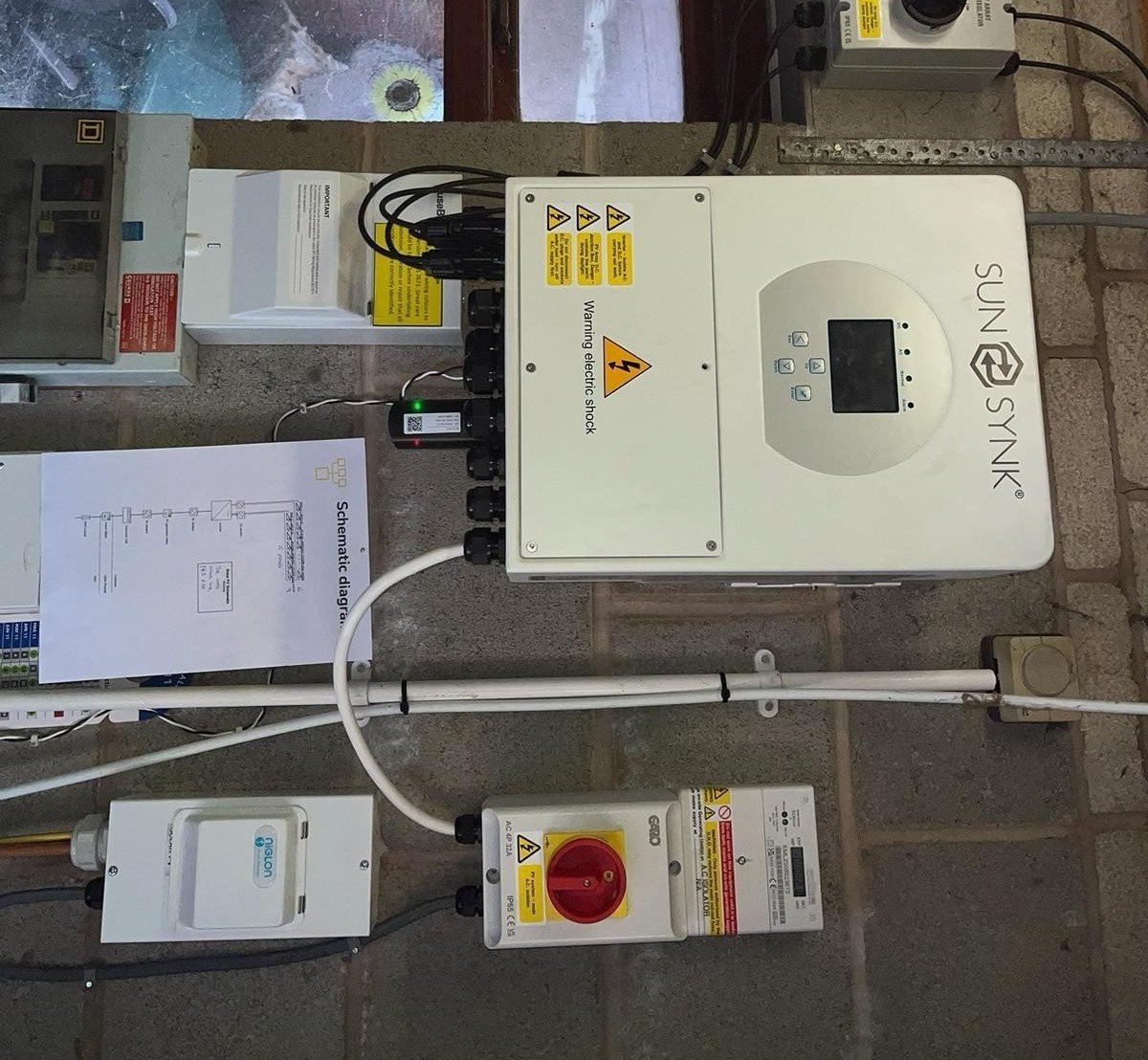
We are electricians who install chargers. Not charger fitters who sub out the electrical work. The infrastructure behind the wall is the bit that matters and that is our core business.
Too many EV charger installations start with someone picking a unit off a website and working backwards. They mount it on the wall and then discover the supply cannot handle it, the consumer unit needs upgrading, or there is no room for a dedicated circuit. That is what happens when a charger company does the selling and subs the electrical work out to whoever is available.
We do it the other way round. We start with the electrical infrastructure. What is the existing supply capacity? Can the consumer unit take a dedicated circuit? Is load management needed if you want multiple chargers? Will you want to add more in the future? Does the supply need a DNO upgrade? We work all of that out before anything gets screwed to a wall.
Because we are NICEIC approved electrical contractors, the wiring, the circuits, the distribution, the load management — that is what we do every day. The charger is the last thing that goes on. Everything behind it is designed and installed by our own qualified electricians who understand the infrastructure it needs to sit on.
A dedicated circuit with proper protection, a charger suited to your car and your driving habits, and a clean installation that looks like it belongs on the side of your house. We do the full electrical work — consumer unit, cable, earthing, circuit protection. If you have Solar PV or are thinking about it, we design the whole system together so the charger runs off your panels during the day.
Multi-point installations for staff and visitor charging. Load management across multiple chargers so they do not all draw full power at once and trip the supply. Future-proofing the cable runs and distribution so you can add more chargers later without ripping everything out. DNO applications where the supply needs upgrading. We design it once and design it right.
High-capacity installations designed around your vehicles, your charging schedule and your supply capacity. Whether it is a dozen vans that need charging overnight or larger vehicles with specific power requirements, we design the infrastructure to handle the demand and scale as the fleet grows. Three-phase supplies, load management, smart scheduling.
Retail, hospitality, car parks and public-facing sites where you want chargers available for customers or visitors. We handle the electrical design, the access control, billing platform integration and the installation. Built to handle multiple users charging at once without overloading the supply.
Your roof generates electricity during the day. A well-designed system produces more than enough to charge a car and run the house. Free electricity from your own property.
What you do not use during the day gets stored in the battery instead of exported for pennies. Available whenever you need it — evening, overnight, whenever suits your charging schedule.
Your car charges on electricity you generated yourself. No grid rates, no standing charges on that energy. If you are doing decent mileage, the savings add up fast. The whole system pays for itself quicker than people expect.
A charger company that subs out the electrical work has no control over what happens behind the wall. The subcontractor turns up, looks at the consumer unit, realises it needs upgrading, and either bodges it to avoid the extra cost or tells the customer it cannot be done. Either way, the customer loses.
Because we are the electricians, we spot the issues at survey stage. Consumer unit full? We upgrade it. Supply too small for the charger you want? We apply to the DNO. Earthing not up to standard? We sort it. Old wiring in the garage? We replace it. One company, one visit, everything handled. No awkward phone calls between a sales office and a subcontractor who has never seen the site.
For commercial installations, the stakes are higher. A workplace charging setup with no load management can trip the supply for the whole building. A depot installation that does not account for the charging schedule can overload the transformer. These are electrical engineering problems, not charger problems. You need electricians solving them.






Home, workplace or fleet. Tell us what you need and we will come back with the right approach. If solar integration makes sense, we will tell you. If it does not, we will tell you that too.